Less CO₂ emissions
Eori reports lower emissions compared with traditional leather.
Our impact
Eori’s impact story spans resource use, animal welfare, working conditions and the products made with its materials. Here is what the supplied impact references say—and where further evidence is needed.
Explore the four priorities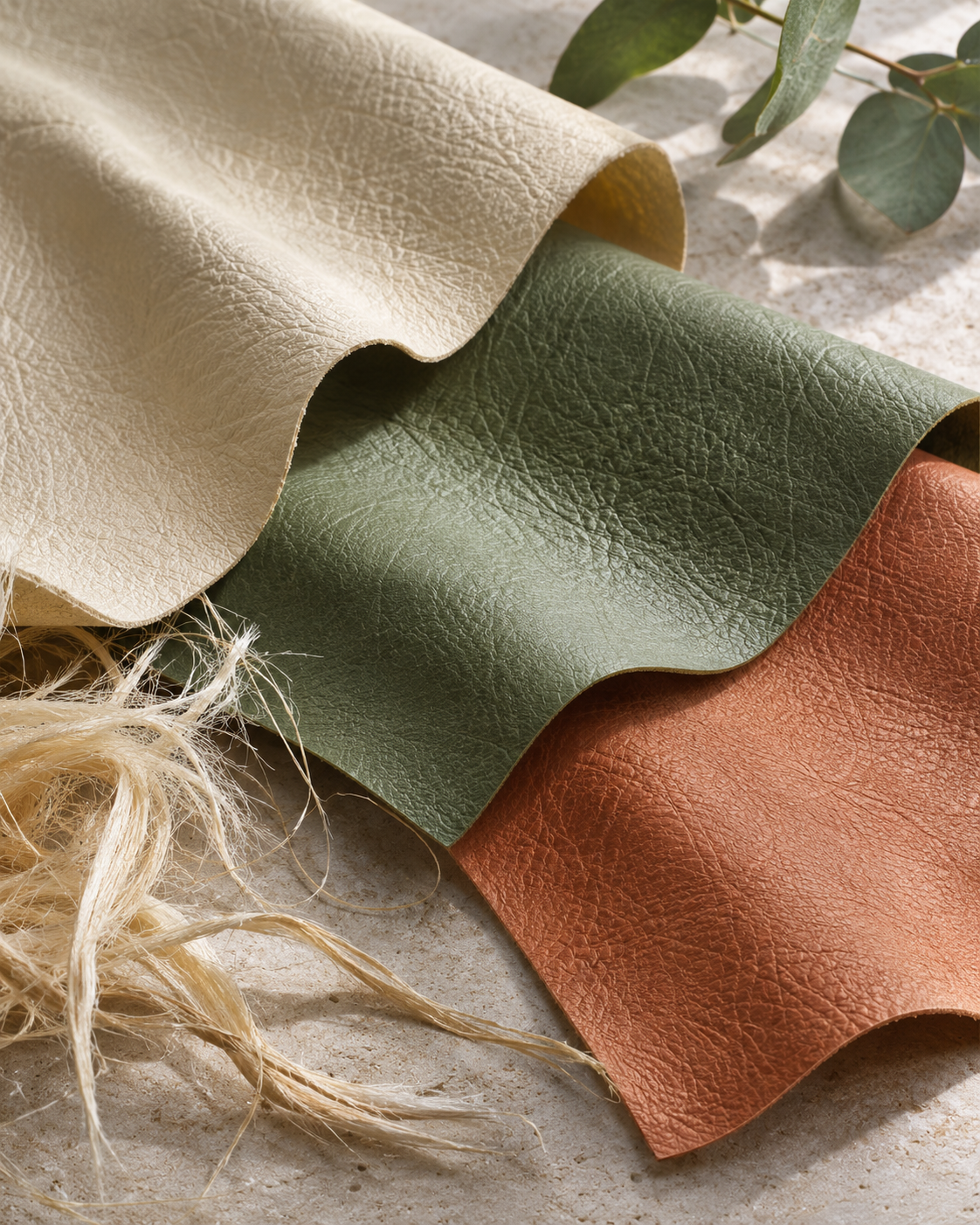
01 / Resources
The supplied Eori impact reference reports the following comparisons with traditional leather. The reference does not include the study, boundaries or methodology behind these figures.
Eori reports lower emissions compared with traditional leather.
Reported water reduction during processing compared with traditional leather.
Reported land-use efficiency for producing the material.
Eori says it is transitioning to solar power wherever feasible.
02 / Animal welfare
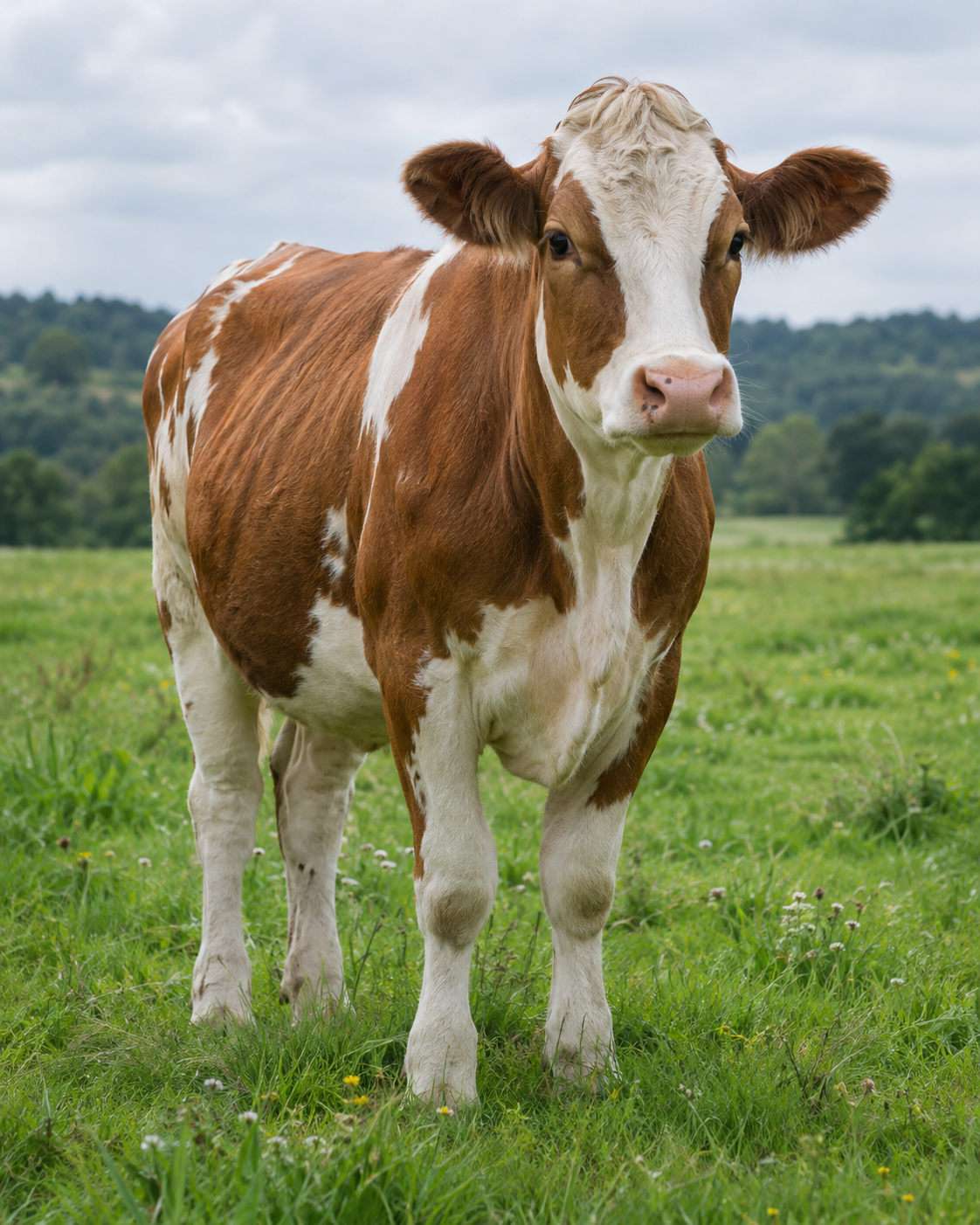
Choosing a vegan leather alternative means animal hide is not used for that material application. Eori frames this as one way brands and customers can align material choices with animal welfare.
Eori® is presented as a plant-based alternative to animal leather for fashion and product applications.
The supplied reference also connects livestock-related emissions and energy-intensive processing with climate impact. Product-level comparisons need a clearly stated life-cycle scope.
An animal-free material can avoid animal hide in a product; it does not, by itself, establish broader outcomes across the livestock industry.

03 / People
The supplied reference describes Eori’s approach as clean manufacturing and a commitment to better working conditions. These statements are company-reported; no site-specific audit or outcome data was included.
Eori describes a manufacturing process intended to reduce exposure to harmful chemicals. Worker-safety results require process and facility evidence.
The reference states an aim to provide fair wages and improved living and working conditions.
A safer work environment can support worker health and longevity; published worker outcome data would help show progress.
The supplied material says reducing harmful chemical exposure can support a safer, more inclusive workforce, including women workers.
04 / Product and process
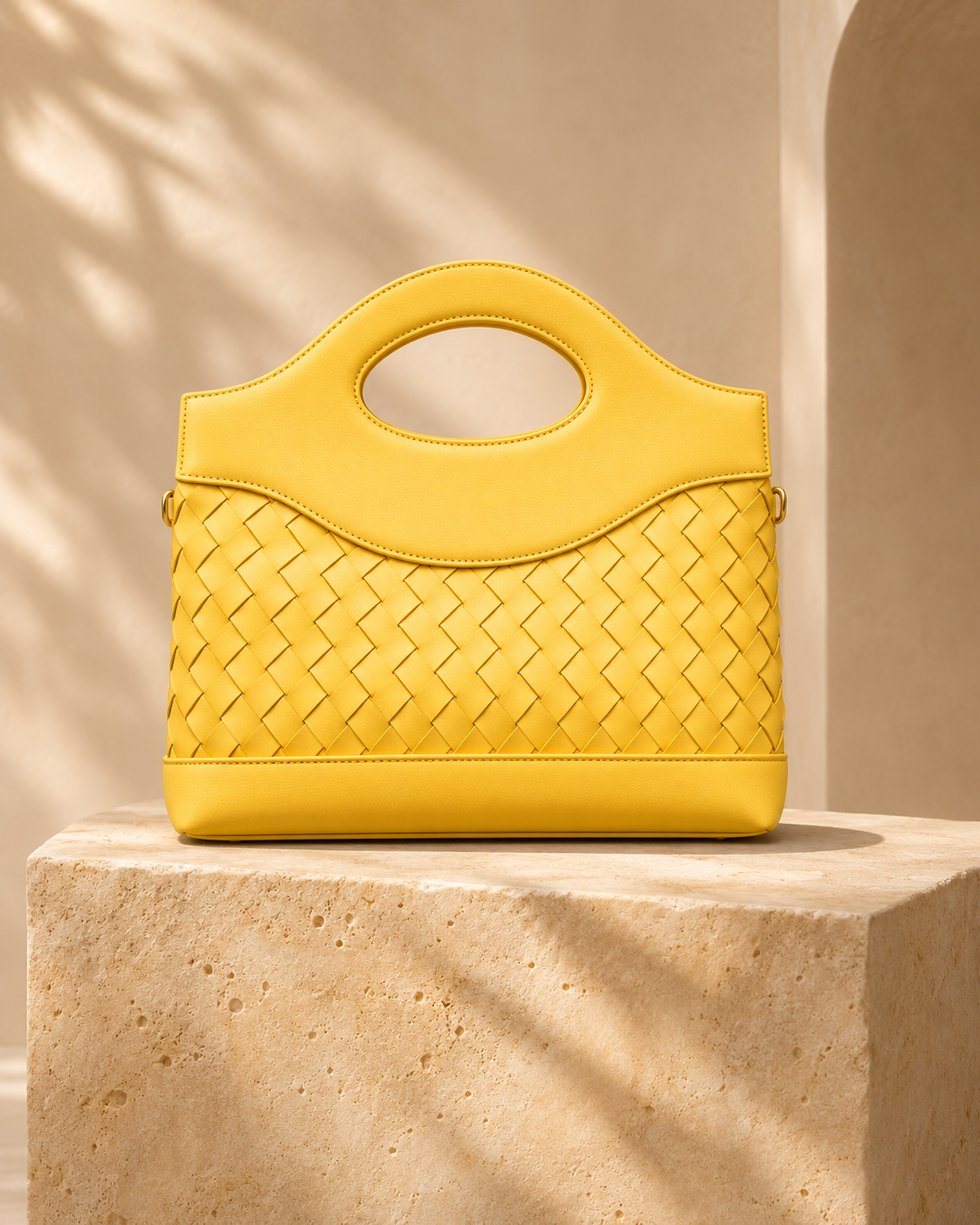
The supplied reference describes potential benefits for brands and customers. Performance depends on the formulation, application and production setup.
Eori positions its material as an alternative to imitation leather that may contain substances of concern. Safety claims should be checked against formulation-specific test reports.
Eori has three material variants with different plastic content. Only the premium option is confirmed in current project information as 100% plastic-free; that description should not be applied to every variant.
Ingredient branding can help partner brands tell a clear material story and distinguish products while retaining their design and quality requirements.
The supplied reference cites approximately 2% cut losses, consistent quality and compatibility with automated or bulk processing as potential cost benefits. The figure and savings basis need confirmation for the relevant product and process.